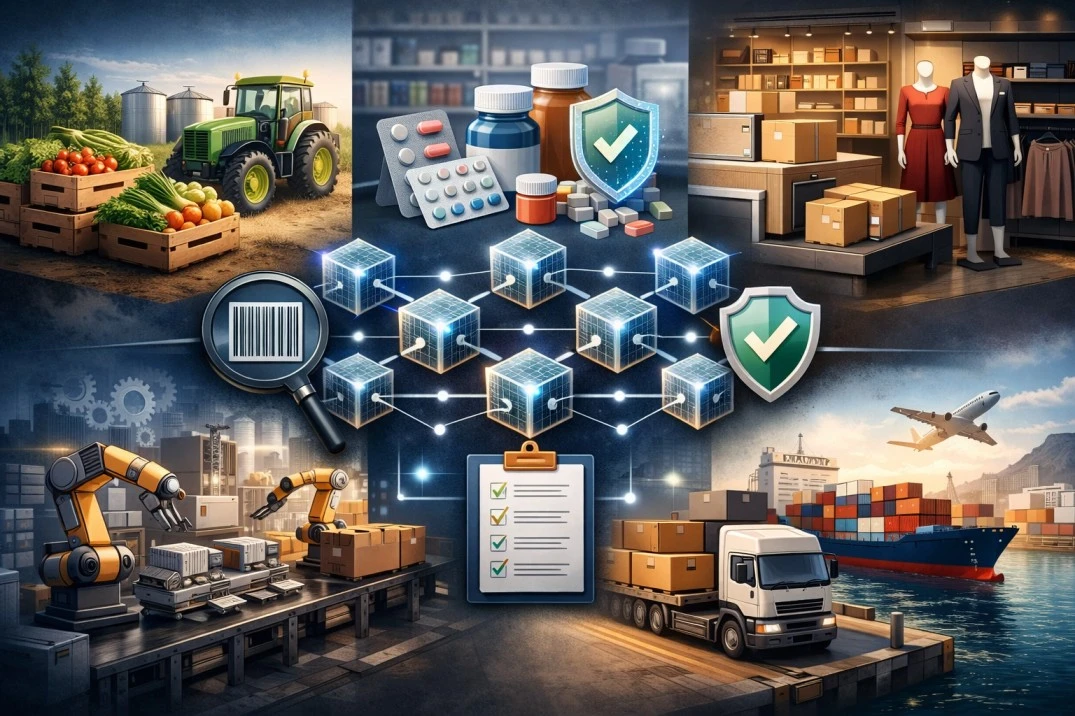

Global trade depends on financial instruments that allow exporters and importers to conduct transactions across borders with confidence. The role of blockchain in trade finance and credit insurance has become an important topic as banks and insurers look for better ways to reduce fraud, improve transparency, and speed up verification processes. According to the Asian Development Bank, the global trade finance gap reached $2.5 trillion, showing how inefficiencies and risk concerns prevent many businesses from accessing financing.
Traditional trade systems rely on manual document checks, multiple intermediaries, and long verification cycles. Blockchain technology introduces a shared ledger where transactions and documents can be verified by all participants in real time. This approach helps reduce disputes and strengthens trust between financial institutions, exporters, insurers, and logistics providers.
How Trade Finance Works and Where the Challenges Begin
Trade finance supports international commerce by providing financial tools that reduce payment risk. Banks and financial institutions help exporters receive payments while giving importers the confidence that goods will be delivered as agreed.
Common trade finance instruments include:
- Letters of credit
- Bank guarantees
- Invoice financing
- Export credit insurance
Despite these mechanisms, the process still involves heavy documentation and multiple verification steps. Trade transactions often require shipping documents, customs records, insurance certificates, and invoices to move between banks and intermediaries.
This creates several challenges:
- Paper based documentation that slows verification
- Limited visibility across different stakeholders
- High operational costs for banks and insurers
- Increased risk of document manipulation or duplicate financing
These limitations are the main reasons financial institutions are exploring blockchain based infrastructure.
Role of Blockchain in Trade Finance and Credit Insurance
The role of blockchain in trade finance and credit insurance centers on creating a shared digital ledger that records every transaction in a secure and transparent format.
Instead of documents passing through several intermediaries, blockchain allows all authorized participants to access the same verified data.
This structure offers several benefits:
- Transactions recorded in an immutable ledger
- Instant access to verified trade documents
- Reduced reliance on manual reconciliation
- Faster validation of shipment and payment data
For banks and insurers, the ability to rely on a single verified record can significantly reduce operational complexity.
Organizations exploring blockchain solutions for financial infrastructure often study how distributed ledgers support secure digital transactions, similar to systems used in blockchain based payment platforms.
How Smart Contracts Automate Trade Finance Processes
Smart contracts play an important role in modern blockchain trade systems. These are automated agreements that execute when predefined conditions are met.
In trade finance, smart contracts can automate several processes:
- Release of payments when shipment confirmations are verified
- Execution of digital letters of credit
- Automatic settlement after delivery confirmation
- Insurance claim triggers based on verified shipping events
This automation removes delays caused by manual document reviews.
For example, when a shipment reaches its destination and logistics data confirms delivery, the smart contract can trigger the payment process automatically.
The same mechanism can also help credit insurers verify claim events more quickly.
Fraud Prevention and Document Verification
Fraud has long been one of the largest risks in trade finance. Financial institutions frequently encounter issues such as duplicated invoices or falsified shipping documents.
Common fraud scenarios include:
- Multiple loans issued against the same invoice
- Altered bills of lading
- Fake trade documentation submitted for financing
Blockchain addresses these issues through transparent and timestamped transaction records.
Once trade data is recorded in a blockchain ledger, it cannot be altered without detection. This makes it significantly harder to manipulate documents or submit duplicate financing requests.
Banks that operate in international markets often evaluate blockchain systems alongside blockchain identity verification solutions to ensure that all participants in the trade network are authenticated.
Benefits for Credit Insurance Providers
Credit insurance protects exporters and lenders from payment defaults. Insurers assess trade data to evaluate the financial reliability of importers and determine risk exposure.
Blockchain networks can provide insurers with verified transaction records, which improves underwriting accuracy.
Benefits for credit insurance providers include:
- Access to reliable shipment data
- Verified payment records
- Real time updates from trade participants
- Faster validation of insurance claims
These capabilities allow insurers to process claims more efficiently and reduce the risk of fraudulent insurance requests.
Improving Transparency in Cross Border Trade
International trade often involves multiple organizations across different countries. These participants may include banks, exporters, logistics providers, customs authorities, and insurers.
Without a unified data source, each organization maintains separate records. This fragmentation creates delays and reconciliation challenges.
Blockchain networks address this issue by allowing participants to access a shared ledger. Every authorized party can review the same verified information without waiting for manual confirmation from intermediaries.
This improved visibility is also useful for regulatory oversight. Authorities can verify trade documentation more efficiently when transaction histories are stored in a transparent digital ledger.
Companies that already rely on distributed ledger infrastructure for supply chain operations often see similar transparency benefits when implementing blockchain based supply chain management systems.
Real World Blockchain Trade Finance Platforms
Several global initiatives are testing blockchain technology in trade finance environments. These projects aim to simplify documentation and improve transaction transparency.
Examples include:
Marco Polo Network
A trade finance platform that uses blockchain to support open account trade transactions and improve working capital management.
Contour Trade Finance Network
Focused on digitizing letters of credit and replacing paper based documentation with secure digital records.
We.trade Platform
A collaborative trade finance network developed by multiple European banks to streamline financing for small and medium sized businesses.
These initiatives demonstrate how distributed ledger technology can reduce complexity in international trade transactions.
Challenges Slowing Blockchain Adoption
Although blockchain offers clear advantages, adoption within the financial sector still faces several obstacles.
Financial institutions must address issues such as:
- Integration with legacy banking infrastructure
- Legal recognition of digital trade documents
- Data privacy regulations across different countries
- High development and implementation costs
Large banks and trade finance providers often begin with pilot projects before implementing blockchain solutions at scale.
Another important challenge is interoperability. Trade networks must allow different institutions and platforms to communicate with each other effectively.
Future Outlook for Blockchain in Trade Finance
As digital trade documentation becomes more widely accepted, blockchain systems are likely to play a larger role in financial infrastructure.
Potential developments include:
- Fully digital trade documentation systems
- Faster cross border financing approvals
- Real time credit risk analysis
- Automated insurance claim verification
Banks, insurers, and logistics companies are increasingly collaborating to build shared platforms that reduce operational complexity.
Businesses that want to explore blockchain adoption for financial services or enterprise infrastructure often work with specialized development partners.
Organizations planning new blockchain platforms can partner with an experienced Blockchain Development Company to design secure systems for trade finance networks, digital documentation, and financial transaction management.
Conclusion
Trade finance and credit insurance rely on accurate documentation and strong trust between multiple participants. Traditional systems often struggle with fragmented records, manual verification processes, and fraud risks.
The role of blockchain in trade finance and credit insurance continues to expand as financial institutions explore digital infrastructure that improves transparency and operational efficiency. Distributed ledger technology provides secure transaction records, reduces the risk of document manipulation, and helps banks and insurers verify trade data more quickly.
As global trade becomes more complex, blockchain based networks may play an important role in creating more reliable financial ecosystems. Companies such as Exobloc are helping organizations build blockchain platforms designed to support secure financial transactions and international trade operations.
FAQs
Blockchain in trade finance refers to the use of distributed ledger technology to record and verify trade transactions. It helps banks, exporters, importers, and insurers access the same verified transaction data in a secure and transparent way.
Blockchain improves trade finance by reducing paperwork, speeding up document verification, and allowing multiple stakeholders to access a shared ledger. This helps financial institutions process trade transactions more efficiently.
Blockchain allows credit insurers to access verified trade records, shipment data, and payment histories. This improves risk assessment and helps insurers process claims more quickly.
Yes. Blockchain creates immutable records of trade documents and transactions. Once information is recorded, it cannot be changed without detection, which reduces risks such as duplicate financing and document manipulation.
Smart contracts are automated agreements stored on a blockchain. They execute transactions when predefined conditions are met, such as releasing payments when shipment confirmation is verified.
Several stakeholders benefit from blockchain networks, including banks, exporters, importers, logistics companies, and credit insurance providers. All participants can access accurate transaction data in real time.
Yes. Platforms such as Marco Polo, Contour, and We.trade are examples of initiatives exploring blockchain to simplify trade documentation and improve financing processes.
Some challenges include integration with existing banking systems, regulatory compliance, legal recognition of digital documents, and the cost of implementing blockchain infrastructure.