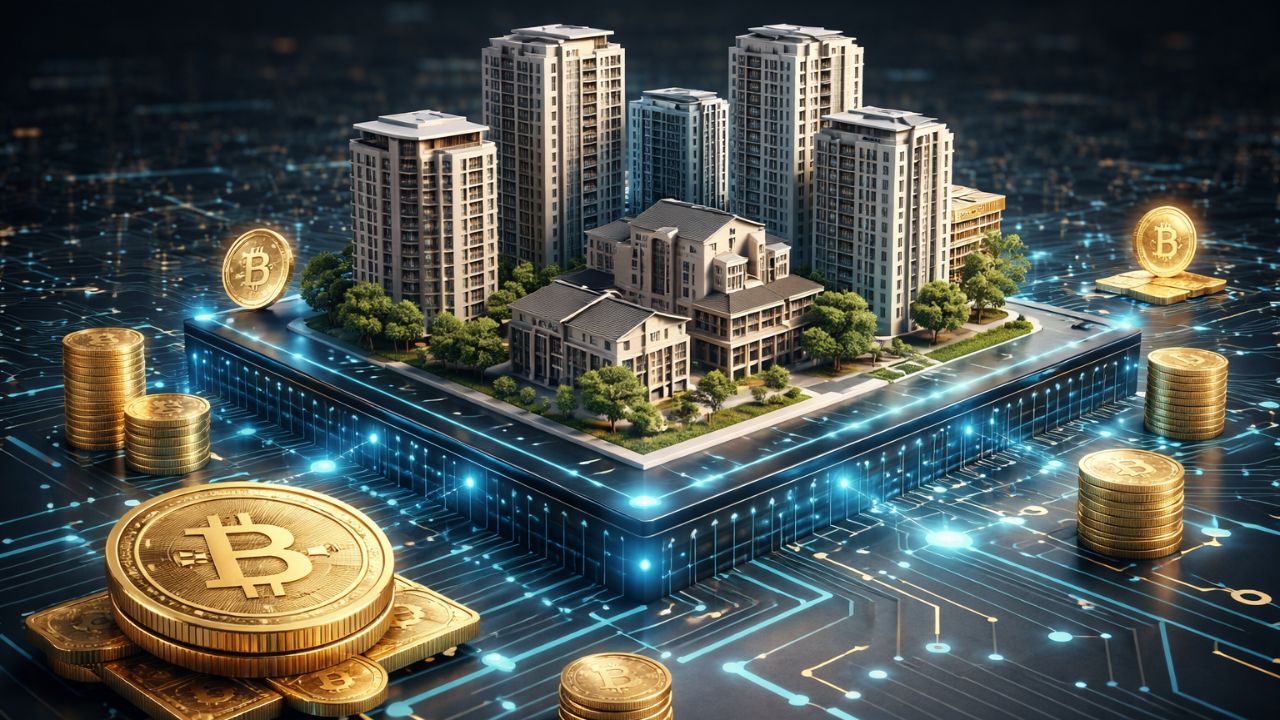
Real estate tokenization allows property ownership to be divided into smaller digital units that investors can buy, sell, or hold without purchasing an entire building. As of 2024, the global real estate tokenization market was valued at roughly USD 3.5 billion, with projections showing growth to about USD 21.8 billion by 2035 if current trends continue. This model has also resulted in over USD 3 billion worth of property value being tokenized on blockchains today, even though it still represents a very small fraction of the total global real estate market. By combining traditional legal structures with blockchain records, this approach makes real estate investing more accessible while keeping the underlying asset grounded in the real world.
What Real Estate Tokenization Actually Means
In simple terms, real estate tokenization is the process of converting ownership rights in a property into digital tokens recorded on a blockchain. Each token represents a defined economic or ownership interest in the asset. That interest may include a share of rental income, capital appreciation, or voting rights related to certain decisions.
The property continues to operate like any other real estate asset. Tenants pay rent, maintenance is handled by property managers, and revenues flow through established legal entities. The difference lies in how ownership is recorded and transferred, which becomes faster, more transparent, and easier to divide.
How the Tokenization Process Works Step by Step
Understanding how the system works helps investors evaluate whether it fits their financial goals.
Property Selection and Legal Structuring
The process begins with selecting a property that meets investment and regulatory criteria. Before any tokens are issued, the asset is placed into a legal structure such as a special purpose vehicle. This ensures that token holders have enforceable rights tied directly to the property.
Legal agreements define ownership shares, income distribution, investor obligations, and exit rules. This step is critical because it connects digital tokens to real-world property rights.
Token Creation on the Blockchain
Once the legal framework is in place, digital tokens are created using blockchain technology. Smart contracts govern how tokens function, including how ownership is recorded, how income is distributed, and how transfers occur between investors. These automated rules reduce administrative overhead and improve accuracy.
Investor Onboarding and Compliance
Before investing, participants must complete identity verification and compliance checks. These measures protect investors, support regulatory compliance, and help prevent fraud. Platforms that prioritize proper onboarding tend to offer stronger long-term stability.
Buying, Selling, and Trading Tokens
Investors can purchase tokens during an initial offering or through approved secondary markets. While liquidity varies depending on regulations and platform design, tokenized assets generally offer more flexibility than traditional property investments, where selling can take months.
Why Investors Are Paying Attention to Tokenized Real Estate
Interest in tokenized property models continues to grow for practical reasons rather than speculation.
Key advantages include:
- Lower minimum investment thresholds
- Easier diversification across multiple properties
- Faster settlement compared to traditional transactions
- Transparent ownership records that are easy to verify
- Potential access to international real estate markets
These benefits make the model appealing to both new and experienced investors.
Risks and Challenges Investors Should Know
Despite its advantages, tokenized property carries risks that should not be ignored. Regulatory frameworks vary by country, and changes in laws can affect how tokens are issued or traded. Liquidity may also be limited in early-stage markets, especially for niche properties.
Technology risks exist as well, particularly for investors unfamiliar with blockchain systems. In addition, returns still depend on property performance, tenant stability, and effective management. Due diligence remains just as important as in traditional real estate investing.
Tokenized Property Compared With Traditional Investing
Traditional real estate investing often requires significant capital, long holding periods, and complex paperwork. Exiting an investment can be slow and unpredictable. Tokenized models aim to simplify ownership by offering fractional access and digital transfers.
However, traditional ownership may still suit investors who want full control, hands-on involvement, or long-term stability without relying on digital platforms. The two approaches can coexist, serving different investment styles and objectives.
Who Benefits Most From This Investment Model
Tokenized real estate can be particularly useful for:
- Retail investors seeking affordable entry points
- Investors aiming to diversify beyond stocks and bonds
- Developers looking for efficient capital raising
- Cross-border investors seeking exposure to foreign markets
It can also help property owners unlock liquidity without selling entire assets.
Real World Use Cases Across Property Types
This model is being applied to residential rentals, office buildings, retail spaces, hospitality assets, and mixed-use developments. Each use case follows the same core framework while adapting to asset-specific regulations and revenue structures.
Legal and Regulatory Considerations
Regulation plays a central role in determining how tokenized property offerings are structured. In many regions, property tokens are treated as securities, requiring strict compliance and investor protections. Platforms that work within established legal frameworks tend to offer greater long-term reliability.
Investors should always review how ownership rights are enforced and how disputes would be resolved before participating.
Choosing the Right Tokenization Platform
Not all platforms are built the same. Factors such as regulatory compliance, asset transparency, security practices, and investor communication should guide decision-making. Professional infrastructure and development support can significantly reduce operational and legal risks.
If you want to understand how compliant systems are designed and implemented, exploring Real Estate Tokenization Development Services can provide useful insight into the technical and legal foundations behind these platforms.
What the Future May Look Like
As regulations mature and investor awareness grows, standardized practices are likely to emerge. Institutional participation may increase, bringing improved governance, deeper liquidity, and stronger market confidence. Adoption will depend less on novelty and more on proven performance and trust.
- Read Also: How Blockchain Can Reduce Identity Fraud
Final Thoughts
Real estate tokenization offers a practical alternative to traditional property investing by improving access, transparency, and flexibility without removing the asset’s real-world foundation. When approached with proper due diligence and regulatory awareness, it can complement existing investment strategies rather than replace them. Exobloc operates in this space with a focus on building compliant, scalable solutions that align technology with established real estate principles.