
Real estate tokenization is changing how people think about property ownership, investment, and capital access. Instead of relying on traditional buying and selling models, real estate assets can now be converted into digital tokens recorded on a blockchain. These tokens represent ownership or economic rights tied to a physical property. For investors, developers, and property owners, this approach opens doors that were previously difficult or impossible to access.
This article explains how real estate tokenization works, why it is gaining momentum, and the practical benefits it offers without hype or speculation.
How Real Estate Tokenization Works
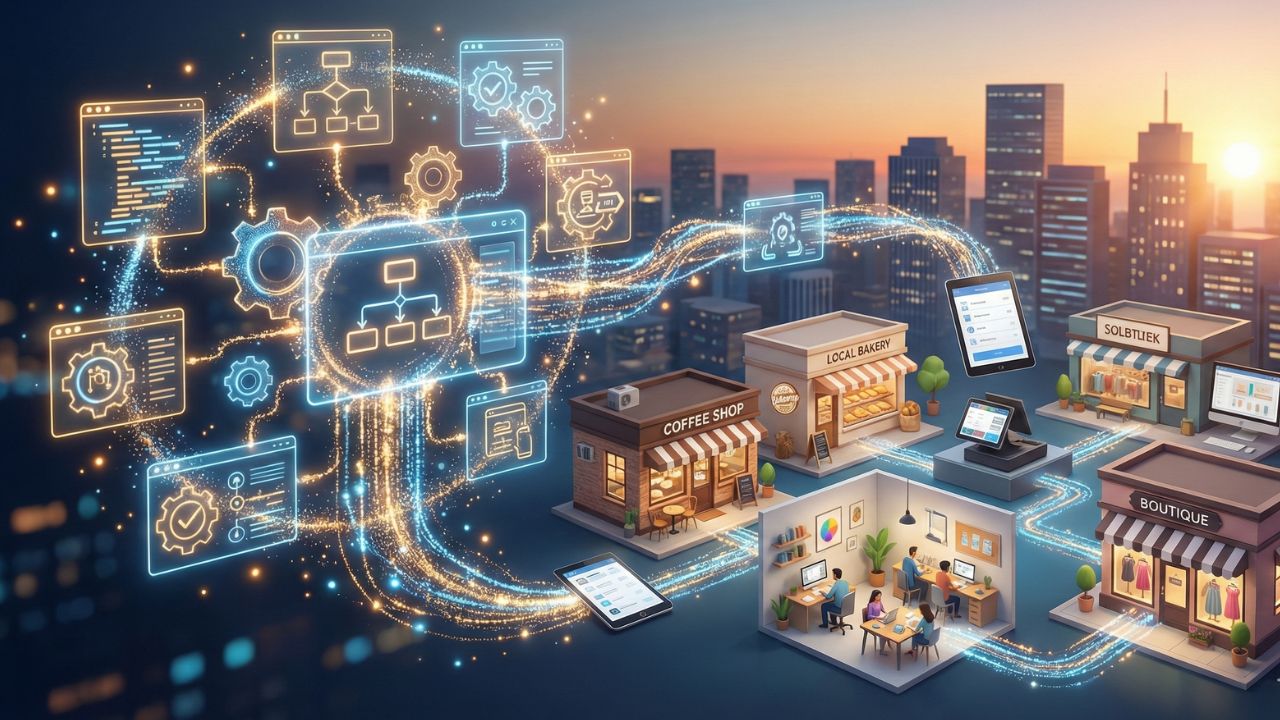
At its core, tokenization is a structured process. A real estate asset is first placed into a legal framework, often through a special purpose vehicle or similar structure. The ownership or economic rights of that asset are then represented digitally as tokens on a blockchain.
Each token corresponds to a specific share of the property. Smart contracts manage rules around ownership transfers, distributions, and compliance. Transactions are recorded on a transparent ledger, creating a clear history of who owns what and when changes occur.
This approach does not remove legal oversight. Instead, it works alongside existing laws while improving how ownership data is stored, shared, and transferred.
Why Real Estate Tokenization Is Gaining Attention
Traditional real estate investing has always come with high barriers. Large capital requirements, long holding periods, and limited liquidity make it inaccessible to many potential investors. At the same time, property developers often face slow fundraising processes and heavy dependence on intermediaries.
Tokenization addresses these challenges by introducing flexibility, efficiency, and broader access. As digital asset infrastructure matures, more businesses and investors are exploring tokenized models as a practical alternative to legacy systems.
Key Benefits of Real Estate Tokenization for Investors
One of the strongest advantages of real estate tokenization is how it changes investor access. Instead of purchasing an entire property, investors can buy smaller portions represented by tokens. This makes participation possible with significantly lower capital.
Investors also benefit from diversification. Rather than tying funds to a single asset, they can spread investments across multiple properties, locations, or asset types. This approach helps balance risk while maintaining exposure to real estate markets.
Other investor focused benefits include:
- Easier entry into high value properties
- Portfolio diversification without large commitments
- Clear ownership records through blockchain transparency
These features make real estate investing more flexible while maintaining its long term value proposition.
Improved Liquidity in Traditionally Illiquid Markets
Real estate has long been considered illiquid. Selling a property or exiting an investment often takes months, sometimes longer. Tokenization improves this by enabling ownership shares to be transferred more efficiently.
While tokenized real estate is not the same as day trading stocks, it does allow investors to enter and exit positions more smoothly under the right market conditions. This improved liquidity can make real estate a more adaptable asset class without changing its fundamental nature.
Transparency and Trust Through Blockchain Records
Blockchain technology introduces a level of transparency that traditional systems struggle to match. Ownership records, transaction histories, and distribution logs are stored on an immutable ledger. This reduces disputes and increases confidence among all parties involved.
For investors, transparency means clearer insight into what they own. For property owners and managers, it means less administrative friction and more reliable record keeping.
Fractional Ownership Without Operational Complexity
Owning a fraction of a property does not mean managing tenants, maintenance, or daily operations. Token holders typically receive economic rights while professional operators handle property management.
This separation allows investors to benefit from real estate exposure without the responsibilities that usually come with ownership. It also allows property managers to focus on performance rather than paperwork.
Cost Efficiency for Property Owners and Developers
Tokenization can streamline capital raising by reducing reliance on multiple intermediaries. Legal processes, ownership tracking, and distributions can be partially automated through smart contracts.
While tokenization does not eliminate costs entirely, it can improve efficiency and reduce delays. For developers, this means faster access to capital. For property owners, it means simpler investor management and clearer reporting.
Global Investor Access Without Geographic Barriers
Tokenized real estate can reach investors beyond local markets while still respecting regulatory requirements. Digital tokens make it easier to present opportunities to a global audience without relying on traditional cross border investment structures.
This broader reach benefits property owners looking to attract diverse investors and investors seeking exposure to international real estate markets.
Key Benefits of Real Estate Tokenization for Property Businesses
For real estate businesses, real estate tokenization offers scalability. Projects can be structured to attract different investor profiles while maintaining centralized control over operations.
Developers and asset managers gain improved visibility into ownership structures and investor participation. This clarity supports better decision making and long term planning while maintaining compliance and accountability.
Common Misconceptions About Real Estate Tokenization
A common misconception is that tokenization operates outside legal frameworks. In reality, compliant tokenization depends heavily on legal structure and regulatory alignment.
Another concern is security. While no system is risk free, blockchain based records reduce many traditional vulnerabilities related to data tampering and ownership disputes. Understanding these realities helps separate practical use cases from unrealistic expectations.
How to Choose the Right Tokenization Partner
Successful tokenization depends on more than technology. Legal knowledge, compliance expertise, and long term platform support all play critical roles. Choosing the right partner ensures the solution is sustainable, secure, and aligned with business goals.
Companies like ExoBloc focus on building compliant and scalable solutions tailored to real world property use cases. Businesses exploring tokenization often look for partners offering specialized Real Estate Tokenization Development Services that balance innovation with reliability.
If you are considering tokenizing property assets or building a token based real estate platform, working with an experienced development partner can make the process smoother and more secure. Exploring solutions with ExoBloc can help you move forward with clarity and confidence.
Conclusion
Real estate tokenization offers practical benefits for investors, developers, and property owners alike. From improved access and transparency to better liquidity and operational efficiency, it addresses long standing challenges in traditional real estate models.
As digital infrastructure continues to mature, tokenization stands out not as a trend but as a structured approach to modernizing property ownership. Understanding its benefits is the first step toward making informed decisions in an evolving real estate landscape.